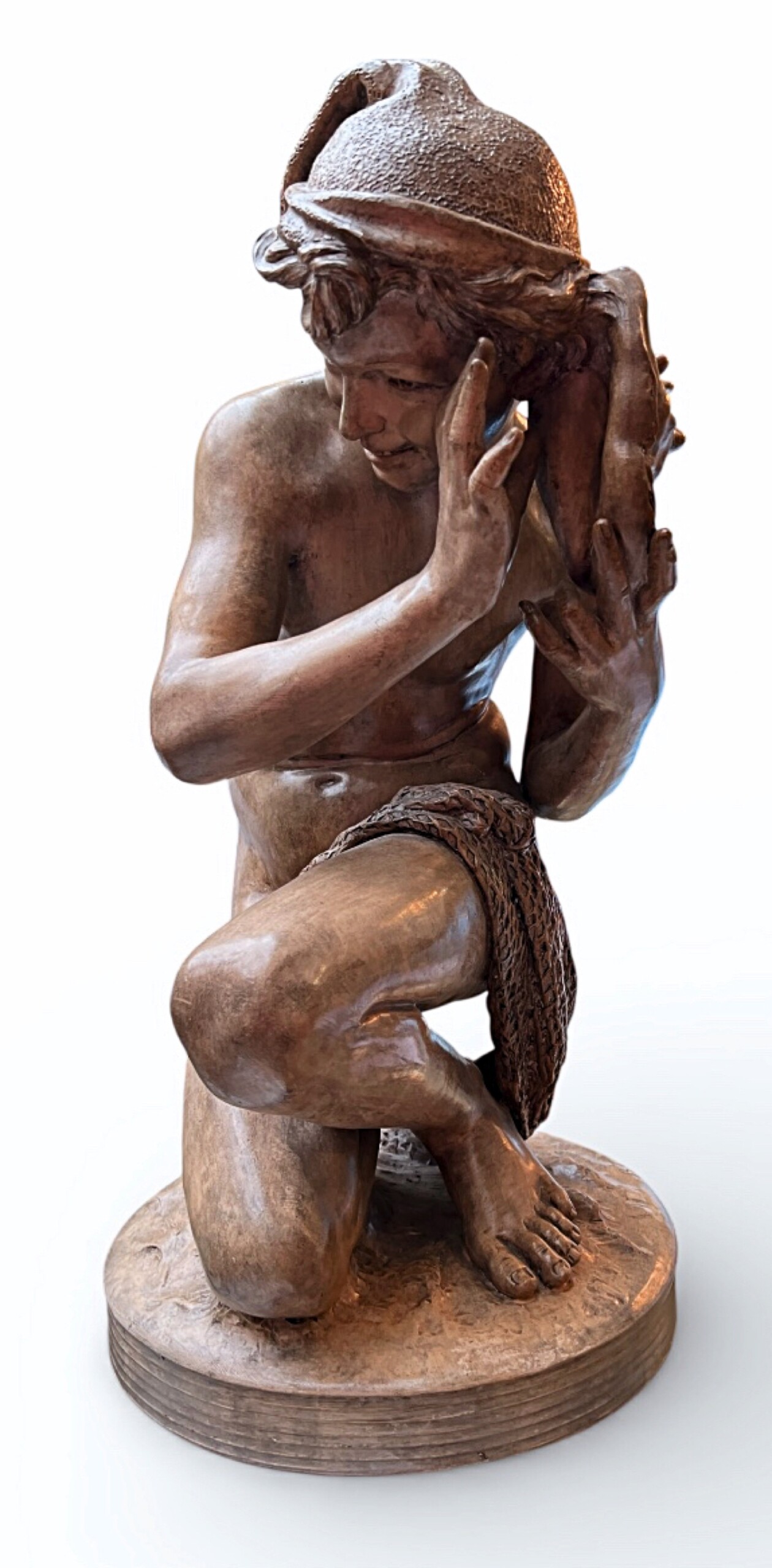
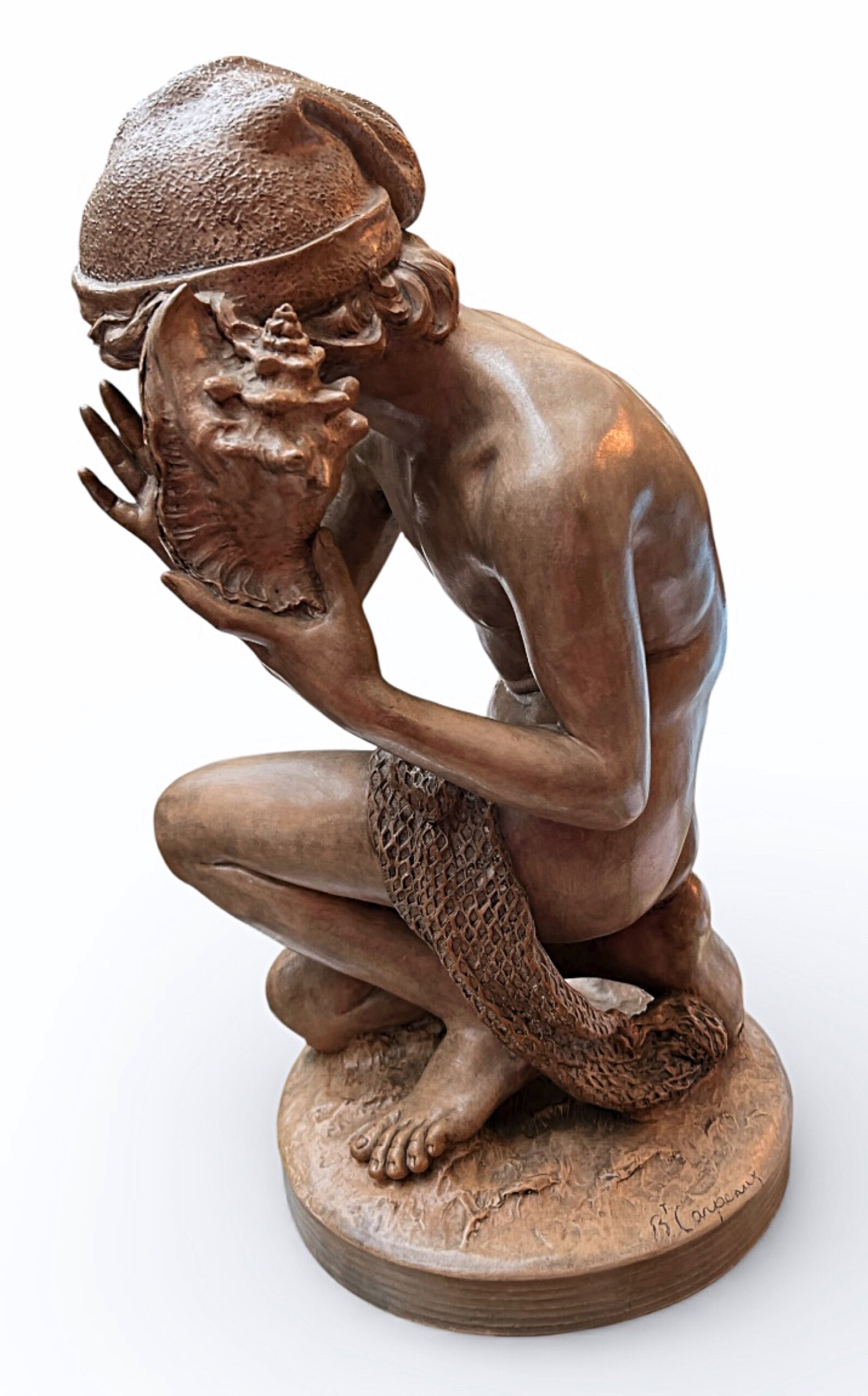
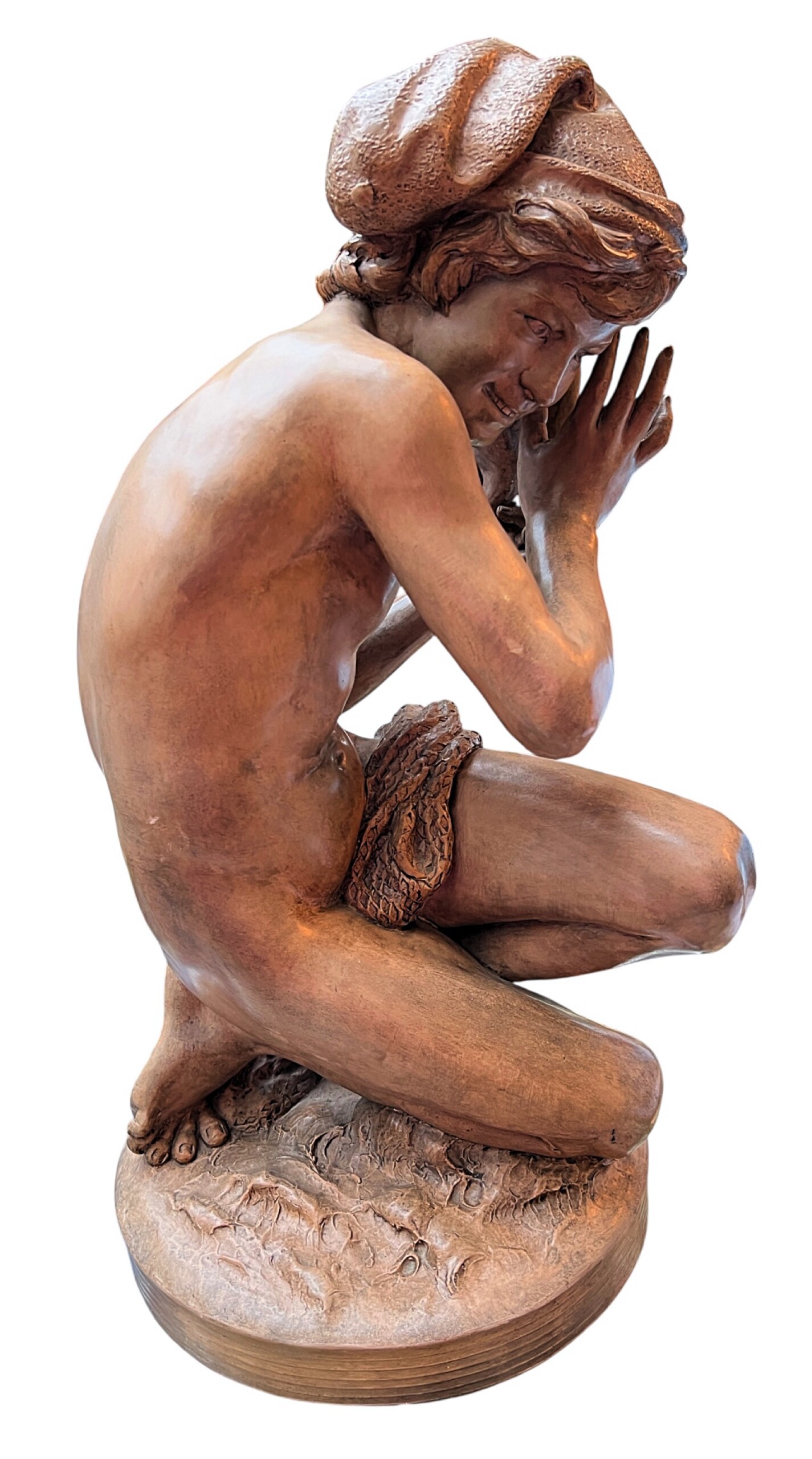
Emotive & Large Late 19th Century French Terracotta Sculpture “Pêcheur Napolitain à la Coquille/ Neapolitan Fisherboy with a Shell” by Jean-Baptiste Carpeaux (1827-1875), Leading French Sculptor of the Second Empire of Napoleon III
Art, PotteryA finely modelled French terracotta sculpture of a “Neapolitan Fisherboy,” originally conceived by Jean-Baptiste Carpeaux in 1857–58. This celebrated “Pêcheur napolitain à la coquille” was first exhibited in 1858 at the École des Beaux-Arts in Paris as a plaster model. In 1861 it was shown again at the Villa Medici in Rome before returning to Paris for another exhibition at the École des Beaux-Arts that same year. In 1863 the finished marble version made its major public debut at the Paris Salon, where it achieved massive critical and commercial success and was purchased by Empress Eugénie.
Carpeaux was one of the most important French sculptors of the Second Empire. Born in Valenciennes, he studied at the École des Beaux-Arts in Paris and won the prestigious Prix de Rome in 1854. His years in Italy profoundly shaped his artistic vision, leading him to reject rigid Neoclassicism in favor of expressive realism, movement, and emotional vitality. Carpeaux later achieved international acclaim with works such as La Danse for the façade of the Paris Opéra and Ugolino and His Sons.
The “Neapolitan Fisherboy with a Shell” marked a turning point in 19th-century sculpture. Instead of depicting a classical hero, Carpeaux portrayed a laughing young Neapolitan boy kneeling on a rocky base, holding a large shell to his ear as if listening to the sea. The twisting torso, animated contrapposto, and naturalistic modeling embody the spontaneity and lifelike energy that distinguished Carpeaux’s work. The original life-size model (approximately 97 cm / 38 inches) was first exhibited in Paris in 1859 and later executed in marble and bronze. Its success led to the production of high-quality reductions in various materials for collectors.
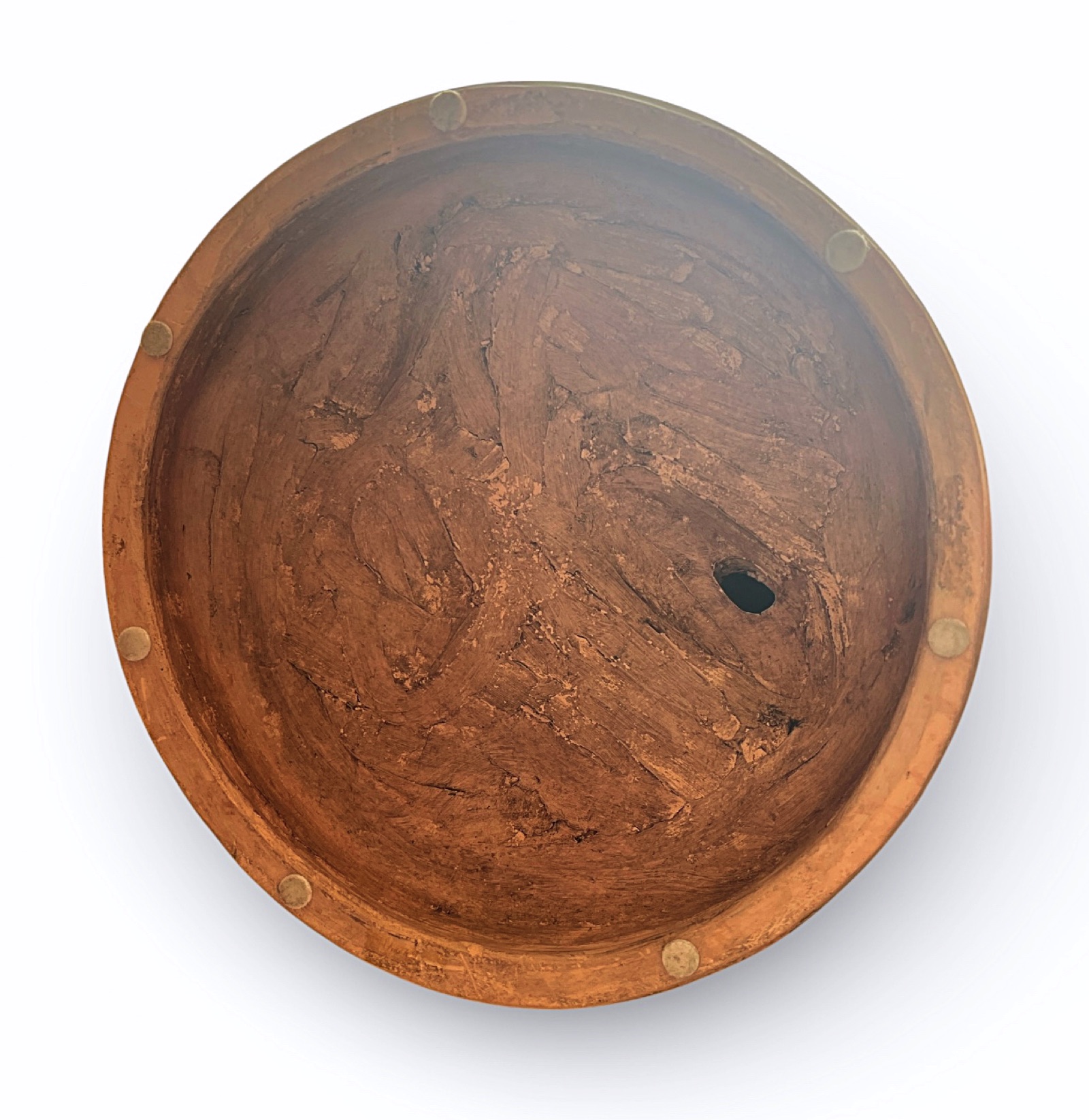
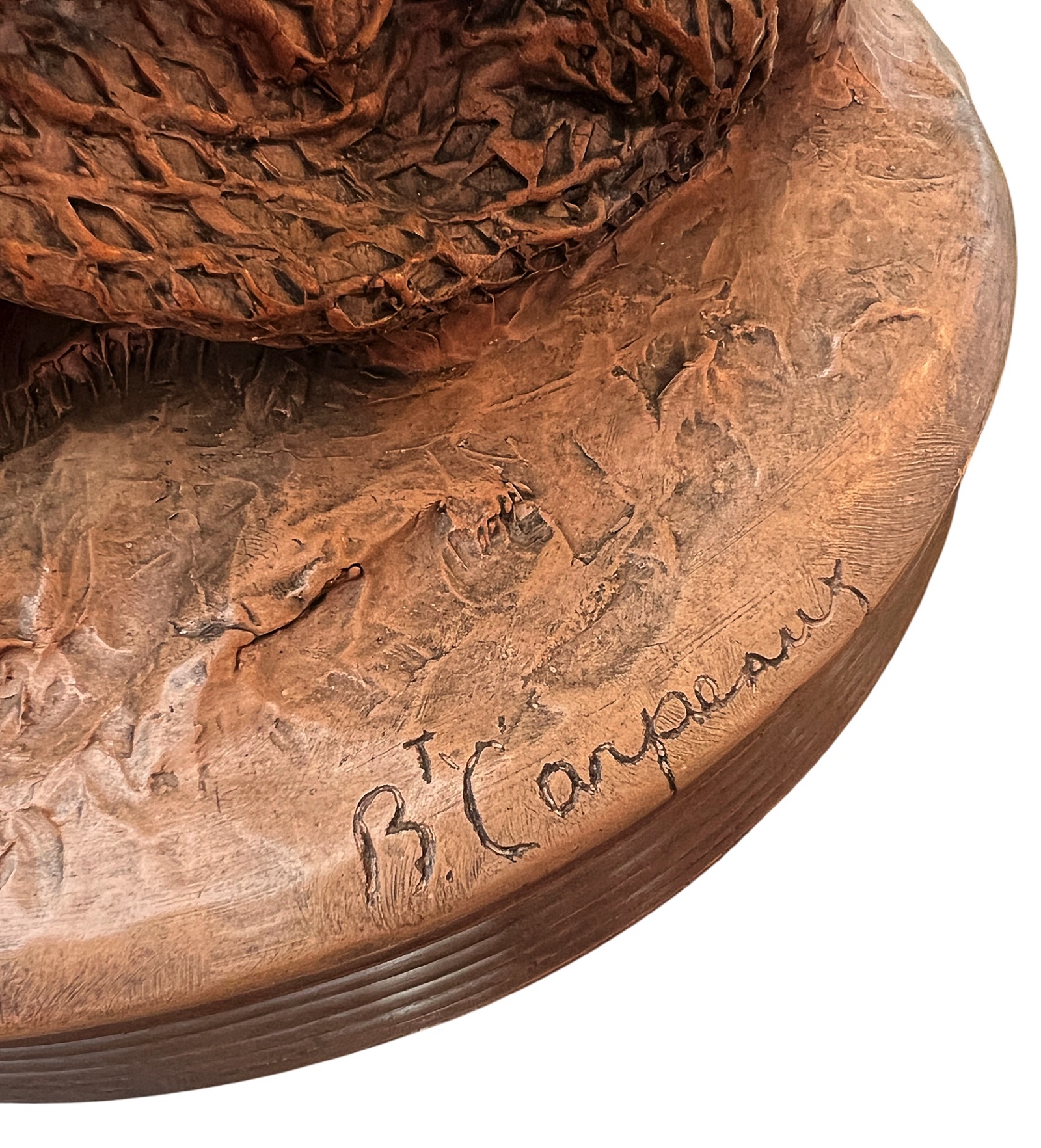
The present 21-inch terracotta example retains the vitality and refined modeling of the original composition. The warm fired clay surface enhances the subtle anatomical detail, expressive facial features, and richly textured fishing net. The sculpture is incised “B. Carpeaux” to the base and is hollow-formed, consistent with late 19th-century French atelier production.
A classic and highly sought-after image of youthful vitality, this sculpture is in excellent condition and represents one of the most beloved works of 19th-century French art.
Dimensions: height 21″ x width 10.5″ x depth 13″
$2,675.81
1 in stock